

Private In Home Physical Therapy: A Deerfield Guide
Getting to physical therapy can feel like a second injury.
You may already be dealing with back pain that flares when you sit in the car, stiffness after surgery, or the fatigue that comes with arthritis, balance problems, or a recent accident. Then someone tells you to drive across town, park, wait, and do it again several times a week. For many people in Deerfield Beach, that routine isn't just inconvenient. It's one of the biggest reasons treatment gets delayed, skipped, or cut short.
That’s where private in home physical therapy changes the experience. Instead of spending your energy getting to care, you use that energy for care itself. The treatment happens where you live, move, and recover. For the right patient, that can make rehab feel more practical, more personal, and easier to stick with.
The Challenge of Healing and The Comfort of Home
A Deerfield Beach patient has a hip replacement on Monday. By the end of the week, the exercises are not the only problem. Getting showered, dressed, into the car, through traffic, and across a parking lot can take more out of the body than the session itself.
I see this often with post-surgical recovery, back pain, balance loss, and flare-ups that make every transfer feel uncertain. The treatment plan may be appropriate, but the effort required to reach the clinic can still slow progress. Some patients start late. Some miss visits. Some push through the trip and arrive already tired or sore.
Private in-home physical therapy removes that obstacle and changes the pace of recovery. Care happens in the place where daily movement matters. For many patients, that means less strain before the session even begins and more useful treatment once it does.
Why home changes the experience
Home care gives the therapist information a clinic cannot fully recreate. We can see the front steps, the narrow bathroom turn, the soft couch that is hard to stand from, and the hallway where balance starts to feel shaky.
Those details are critical; rehab is not just about stronger muscles. It is about getting from bed to bathroom safely at night, managing the entryway without help, and feeling steady enough to move around your own space with less fear.
That practical view can shape better decisions from the first visit.
What patients often notice first
Patients often notice a few benefits right away:
- Less physical strain: Your energy goes into treatment instead of transportation.
- More comfort: Familiar surroundings can make movement feel less stressful, especially early in recovery.
- Better carryover: The session can focus on the exact tasks you need to do at home, not a generic setup in a clinic gym.
For Deerfield Beach residents weighing their options, this is often the first real decision point. If leaving home is painful, tiring, or unsafe, the setting itself may be affecting your recovery more than you expected.
What Exactly Is Private In Home Physical Therapy
Private in home physical therapy is one-on-one outpatient rehab provided in your home by a licensed physical therapist. The treatment is skilled, personalized, and built around what you need to do in daily life, not a preset routine handed out to every patient.
For patients in Deerfield Beach, that distinction matters because “home therapy” can mean very different things.
Private in-home PT is different from traditional home health. Home health care usually follows stricter medical and insurance rules, often after a hospitalization or major health event, and the plan of care may focus on basic safety and function. Private in-home care gives you more flexibility in scheduling, pace, and goals. It still involves clinical evaluation and progression, but the experience is closer to outpatient therapy brought into your home.
What makes it private
In a private model, the therapist works with one patient for the full visit. That changes the quality of care in practical ways. You get immediate feedback on movement, closer monitoring of pain or balance issues, and a program that can be adjusted on the spot.
If a Deerfield Beach patient is struggling to get out of a low sofa, manage tile floors safely, or return to walking in the neighborhood without increased pain, the session can focus on those exact problems. If recovery is going well after surgery, treatment can progress to strength work, stair practice, endurance, and more demanding balance tasks in the same visit.
That level of attention is often what patients are looking for when they ask about private care.
Why it often works well at home
Patients usually follow through better when therapy fits their real routine. Exercises make more sense when they are tied to your own bed, your own bathroom, your own entryway, and the distances you walk each day.
As noted earlier, home-based rehab can be as effective as outpatient care for the right patient. In practice, I often see one reason above the rest. Fewer barriers make consistency easier. When sessions are easier to keep and the program matches the home setup, patients often build confidence faster.
What private care usually includes
A private in-home plan often includes:
- Hands-on treatment: Manual therapy for pain, stiffness, or soft tissue restriction
- Movement retraining: Sit-to-stand practice, gait training, stair work, transfers, and balance exercises
- Home-based problem solving: Modifying exercises around furniture height, flooring, pets, or narrow spaces
- Progressive exercise: Building strength, endurance, and control as symptoms improve
- Education: Clear guidance on pacing, flare-up management, and what to do between visits
Practical rule: If getting to a clinic is draining your energy, increasing your pain, or making you skip care, private in-home PT may be the more useful starting point.
In Home Rehab vs Clinic Care Which Is Right For You
Neither setting is automatically better for everyone. The right choice depends on your condition, your transportation situation, your home environment, and what kind of support helps you stay consistent.
Some people need the convenience and real-world relevance of home visits. Others do well in a clinic because they want access to larger equipment or a setting that feels separate from home distractions.
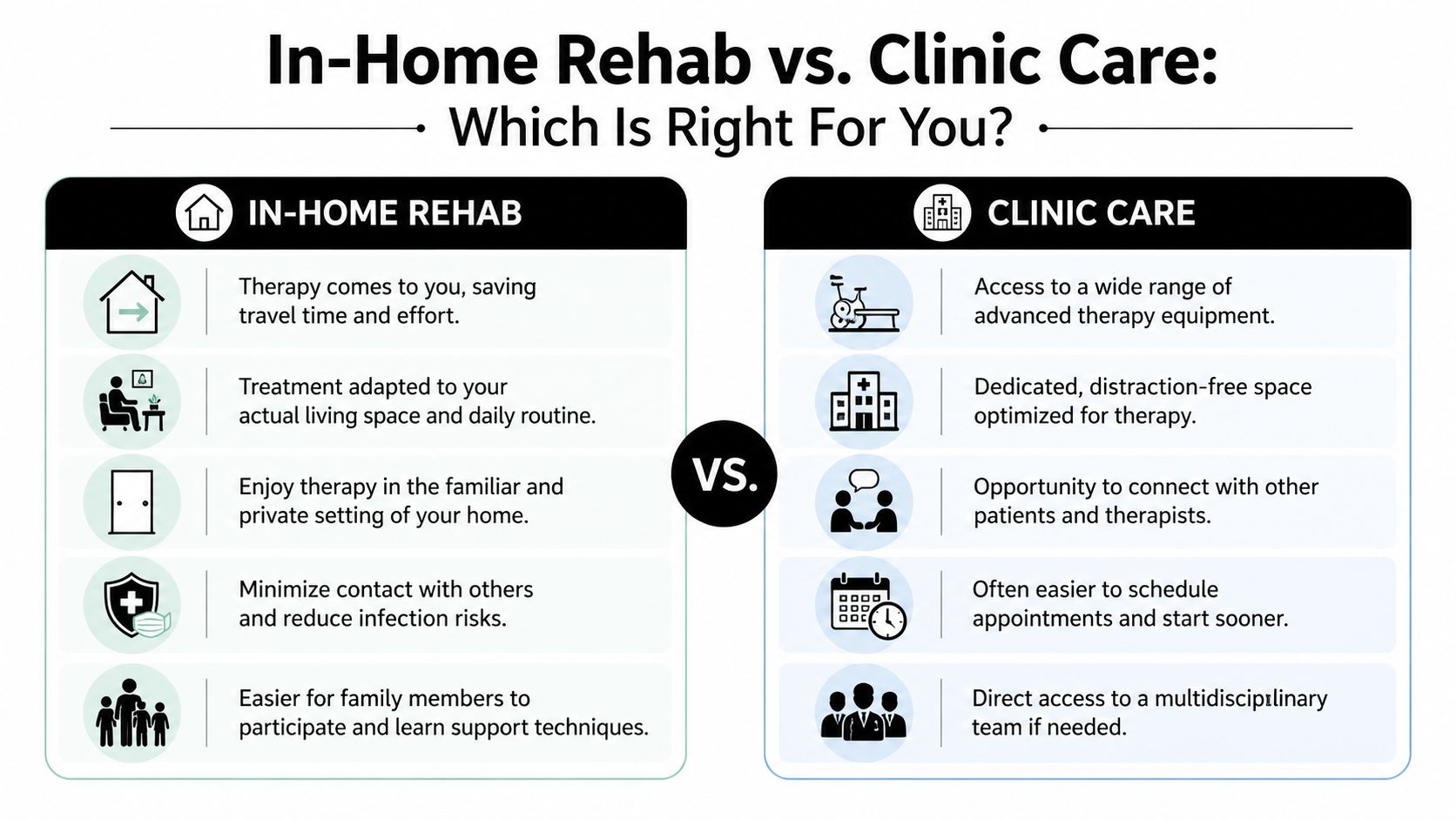
In-Home vs. In-Clinic Physical Therapy
| Factor | Private In-Home Physical Therapy | Traditional Clinic Physical Therapy |
|---|---|---|
| Convenience and travel | Therapist comes to you. Useful when driving, parking, or riding in a car increases pain or stress. | You travel to the clinic, which may work fine if mobility and transportation aren’t a problem. |
| Treatment environment | Therapy happens in your real living space, so the plan can address your stairs, furniture, bathroom, and entryway. | Therapy happens in a controlled clinical environment with fewer household distractions. |
| Personalization | Sessions often feel highly individualized because the therapist can adapt every exercise to your home setup and daily routine. | Personalization can still be strong, but the environment is standardized rather than built around your home. |
| Family involvement | Family members or caregivers can easily observe, learn safe assistance, and support the home program. | Family can be involved, but it usually takes more coordination. |
| Equipment access | Uses portable tools and functional training based on daily activities. | May offer broader access to larger machines and specialized equipment. |
| Privacy and comfort | Good fit for people who feel more relaxed at home or want a quieter setting. | Good fit for people who prefer getting out of the house and focusing in a treatment space. |
| Insurance and billing | Coverage can be available, but billing details may vary by provider and plan. It’s important to ask questions early. | Often feels more familiar to patients because clinic billing is what they’ve seen before. |
When home rehab tends to work best
In-home rehab is often a strong choice when the home itself is part of the problem or part of the solution. If you’re struggling with your own stairs, your own shower entry, or your own bed transfers, it helps to train those exact tasks where they happen.
It’s also a strong option if fatigue, pain, dizziness, fall risk, or post-surgical limitations make transportation harder than the exercises themselves.
When clinic care may be the better fit
Clinic care can make more sense if you want access to equipment that isn’t practical to bring into a home setting. Some patients also benefit from leaving the house, getting into a dedicated rehab environment, and separating treatment time from the rest of the day.
The best setting is the one you can attend consistently and use confidently.
Who Benefits Most From In Home Physical Therapy
The patients who do best with in-home care aren’t all the same. What they share is that home visits remove a barrier that would otherwise interfere with progress.
After surgery when travel feels like too much
John just had a knee replacement. He can stand and take steps, but getting in and out of the car is painful, and every bump in the road makes his leg tighten up. In-home therapy lets him start walking, bending, and practicing transfers without turning transportation into the first challenge of every session.
Older adults working on safety and confidence
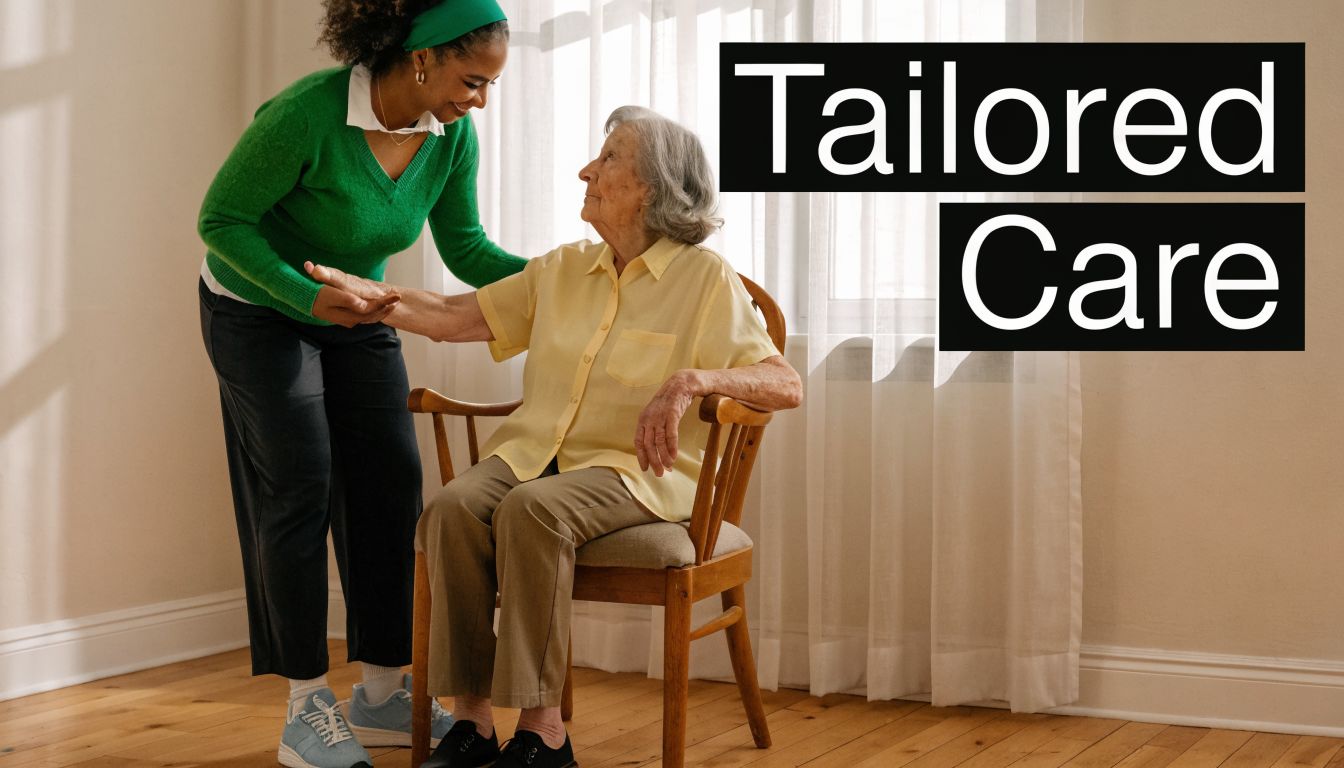
Mary lives alone and has started grabbing furniture when she walks from the bedroom to the kitchen. She hasn’t had a major fall, but she knows her balance isn’t what it used to be. In-home therapy helps because the therapist can work on the exact route she uses every day, along with balance training and home safety recommendations.
People with pain that flares during sitting or waiting
David is recovering from a work injury involving his low back. Sitting in a waiting room makes him stiff, and the car ride home often leaves him worse than when he arrived. Home-based sessions allow him to focus on movement, body mechanics, and symptom control without adding those triggers around the visit.
Patients who want hands-on care instead of virtual guidance
Some people can manage video visits. Others can’t get the same value from them, especially when pain, balance, or technology is already a stressor. Patient preference matters, and a study on care preferences in physical therapy reported that patients across all age groups rated in-home physical therapy 5.0 out of 5.0, outperforming virtual options.
A good rule is simple. If leaving home makes treatment harder to start, harder to tolerate, or harder to continue, in-home care deserves serious consideration.
Common Conditions Treated and Services Provided at Home
Private in home physical therapy can address a wide range of problems. The treatment may look different from one patient to the next, but the goal is the same. Restore movement, reduce pain, and help daily activity feel safer and easier.
Post-surgical recovery
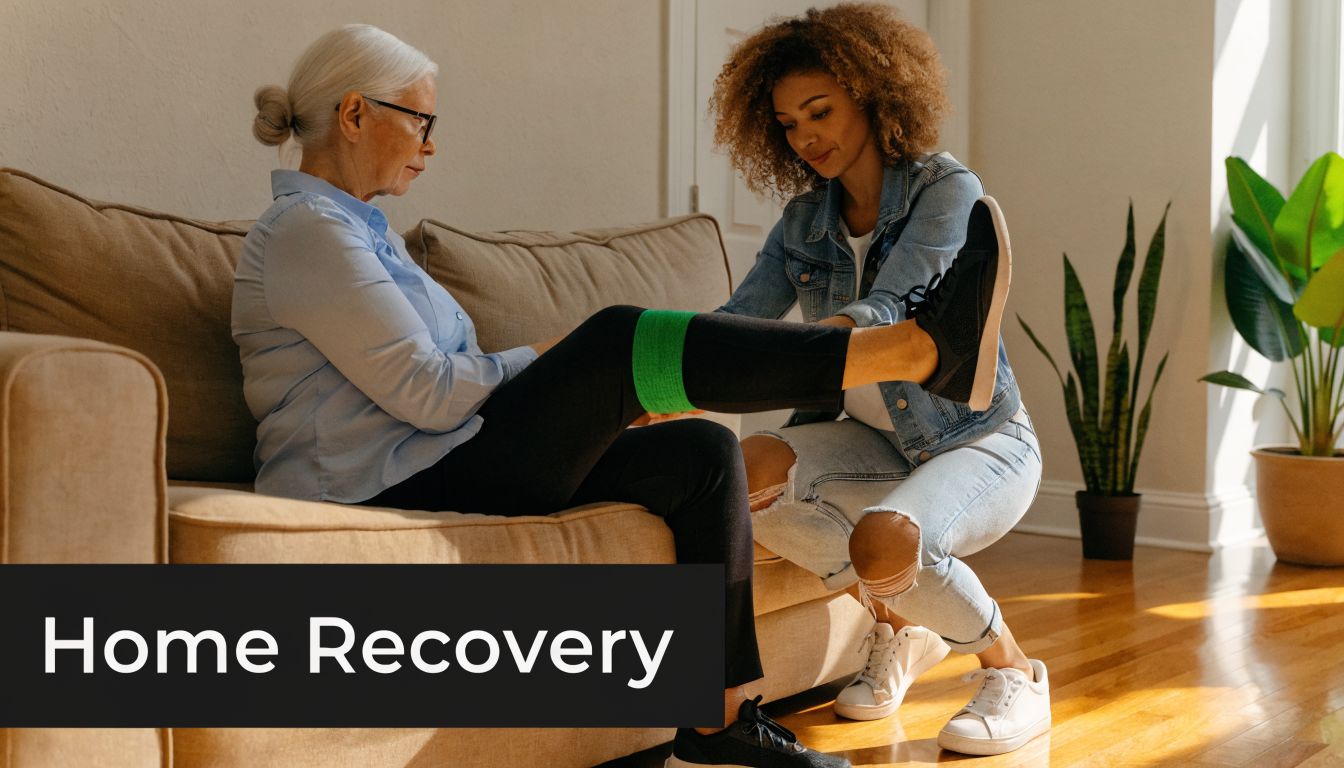
Home care is often a natural fit after orthopedic surgery. That may include hip replacement, knee replacement, rotator cuff repair, or other procedures where swelling, weakness, and limited mobility make travel difficult.
Treatment often includes:
- Range of motion work: Restoring joint motion safely and gradually
- Strength rebuilding: Focusing on key muscle groups that protect the surgical area
- Walking and transfer training: Practicing bed mobility, chair transfers, and stairs
- Swelling and pain management: Using positioning, movement, and hands-on techniques
Back pain, sciatica, neck pain, and arthritis
Many people seek in-home therapy because pain is interfering with ordinary tasks, not just exercise. A therapist can watch how you sit, stand, bend, and move through your day, then build treatment around those patterns.
For people dealing with radiating leg pain or recurring lumbar stiffness, this can pair well with a focused look at back pain and sciatica care options. If your symptoms began after a crash, this guide to whiplash recovery is also a useful starting point for understanding what home management should and shouldn’t look like.
Neurological and balance-related conditions
Therapists also treat people recovering from stroke, living with Parkinson’s disease, or managing gait and balance decline. In these cases, the home environment is not a side note. It’s central to the treatment plan.
A hallway, a threshold, or a loose rug can tell a therapist more about fall risk than a generic clinic walkway.
Injury rehab in a real-world setting
Auto accident injuries, sports injuries, and workers’ compensation cases often benefit from home-based care when pain is limiting travel or when the therapist needs to retrain specific movements tied to work and daily life.
Services may include manual therapy, guided therapeutic exercise, gait training, posture correction, home safety coaching, and caregiver education. At-home treatment isn’t a lesser version of rehab. It’s rehab applied directly to the space where function matters most.
Understanding Costs Insurance and Payment Options
Cost is one of the first questions patients ask, and it should be. Convenience matters, but people also need to know what they’re likely to pay, what insurance may cover, and what questions to ask before the first visit.
Start with the billing model
Private in-home physical therapy may be billed through insurance, workers’ compensation, auto insurance, Medicare in appropriate situations, or a self-pay arrangement. The key point is that coverage rules aren’t always identical from one provider to another.
Some plans treat in-home outpatient therapy similarly to clinic-based therapy. Others have network requirements, authorization steps, or documentation rules that affect what gets approved and what lands on the patient bill.
If insurance terminology is confusing, this clear guide to provider networks can help you understand how in-network and out-of-network rules may affect your options.
What to ask before you schedule
Ask these questions early, preferably before the evaluation is booked:
- Is this provider in network with my plan?
- Will I owe a copay, coinsurance, or unmet deductible amount?
- Is prior authorization required for in-home outpatient PT?
- Will transportation or home visit logistics affect billing?
- If my case is related to an auto accident or work injury, who is billed first?
Those questions matter because cost transparency is still one of the weak spots in this part of healthcare. Many providers say they accept insurance, but patients often don’t get a clear explanation of their out-of-pocket responsibility until later than they should.
What the research suggests about overall cost
For post-surgical rehab such as knee replacement, a 2021 to 2023 study reported by Home Health Care News found that in-home outpatient PT reduced overall costs by 52% compared with traditional home health and saved an average of $2,517 per case.
That doesn’t mean every patient will personally pay less out of pocket. It does show that this model can be financially efficient in the right clinical context.
Before you choose based on convenience alone, ask for the exact billing path for your insurance type and injury type.
Your First Visit What to Expect and How to Prepare
The first home visit should feel organized, respectful, and straightforward. Most patient anxiety comes from not knowing what will happen once the therapist arrives. A little preparation makes the whole experience smoother.

Before the therapist arrives
You don’t need a perfect house or a home gym. You only need a safe working area and a few practical items ready.
A simple prep list usually helps:
- Clear a small space: A living room area, hallway, or open section near a sturdy chair is often enough.
- Wear comfortable clothing: Choose something you can move in and that lets the therapist see the area being treated.
- Gather important information: Keep your medication list, surgery details, imaging reports, and referral paperwork nearby if you have them.
- Think about your goals: Be ready to answer questions like “What can’t you do right now?” and “What are you trying to get back to?”
What happens during the evaluation
The first visit usually includes conversation, movement testing, and a practical look at how you function in the home. The therapist will want to know what aggravates your symptoms, what time of day feels worst, what activities matter most, and what safety concerns exist.
Then comes the physical part of the session. That may include walking assessment, balance screening, strength testing, range of motion checks, transfer practice, and observation of tasks like standing from a chair or navigating steps.
If you want a fuller picture of how treatment sessions typically unfold, this overview of what a typical physical therapy session looks like is a helpful reference.
Here’s a quick visual look at the visit process:
What you should leave with
By the end of the first visit, you should understand three things clearly:
- What the therapist thinks is driving the problem
- What the treatment plan is trying to accomplish
- What you should do between visits
If you leave unsure about your diagnosis, home exercises, or next appointment plan, ask again before the therapist goes. Good care should feel clear, not mysterious.
Choosing a Qualified Provider in Deerfield Beach
The provider you choose matters as much as the setting. In-home physical therapy only works well when the therapist is properly licensed, clinically experienced, and able to build a plan around your specific condition.
Questions worth asking on the first call
Many patients focus on scheduling first. That’s understandable, but quality questions should come first.
Ask things like:
- Can I verify the therapist’s Florida license before the first visit?
- Does this therapist regularly treat my condition or surgery type?
- Will I see the same therapist each visit whenever possible?
- How do you handle updates, questions, or problems between appointments?
- What happens if the assigned therapist isn’t a good fit?
A patient guidance article on in-home physical therapy vetting highlights a real industry gap here. Quality assurance and therapist credentialing often aren’t explained clearly, so patients should ask directly how therapists are vetted and whether state licensure can be verified before care begins.
Continuity matters more than people realize
Rehab usually moves faster when the same therapist sees the same patient consistently. That therapist learns how your pain behaves, how your home is set up, how your gait changes when you’re tired, and what cues help you.
If every visit is with someone different, that continuity is harder to build.
Look for local familiarity
A Deerfield Beach provider should understand the needs common in this area. That includes seniors focused on fall prevention, people recovering from orthopedic procedures, and patients dealing with auto accident or workers’ compensation injuries.
For those comparing local options, reviewing a provider’s physical therapy services in Deerfield Beach can help you see whether they handle the kinds of cases you’re dealing with, not just general wellness visits.
Good in-home care starts with trust. Credentials, communication, and continuity should be easy to verify, not hard to uncover.
Begin Your At-Home Recovery Journey Today
Private in home physical therapy works best when treatment fits real life. If driving increases your pain, if balance makes outings stressful, or if post-surgical recovery has made simple trips feel complicated, home-based care can remove the barrier that’s been standing between you and consistent rehab.
The strongest advantage isn’t just convenience. It’s relevance. You practice walking where you walk, standing where you stand, and moving through the spaces that shape your day. That kind of treatment tends to feel more practical because it is practical.
Frequently Asked Questions
| Question | Answer |
|---|---|
| Is private in home physical therapy only for seniors? | No. It can help older adults, post-surgical patients, people recovering from accidents, workers’ compensation patients, and active adults whose pain or mobility limits travel. |
| Do I need a large home or special equipment? | No. Most sessions only require a safe open area, a sturdy chair, and room to walk a short distance. Therapists usually adapt treatment to the space you already have. |
| Is in-home care as serious as clinic care? | Yes. Home-based care can include skilled assessment, manual therapy, exercise progression, gait training, balance work, and functional retraining. |
| Can family members be involved? | Yes. In many cases, family involvement is easier at home because they can observe, ask questions, and learn how to support safe movement between visits. |
| What if I’m not sure my insurance covers it? | Ask the provider to explain billing, authorization requirements, and likely out-of-pocket costs before the first appointment. |
| How do I know if a provider is qualified? | Ask how the provider vets therapists, confirm Florida licensure, and make sure they have experience with your specific condition. |
If you’ve been putting off therapy because getting there feels harder than doing it, that’s worth changing. The right care model should lower friction, not add to it.
If you’re in Deerfield Beach or a nearby community and want practical, patient-centered rehab delivered by a trusted local team, contact MedAmerica Rehab Center. They’ve served the area since 1995 and can help you explore whether in-home treatment is the right next step for your recovery.
MedAmerica Rehab · Deerfield Beach
Talk to a clinician about your pain
Physical therapy, chiropractic, acupuncture and shockwave therapy under one roof, since 1995. Same-day appointments are available.
Mon–Thu 8:00 AM – 6:30 PM · Fri 8:00 AM – 3:00 PM