
Ankle And Wrist Cuffs: Physical Therapy Guide
You’re standing at the bottom of the stairs, hand on the rail, wondering whether your knee will cooperate. Or maybe you’ve had wrist surgery, and something as ordinary as lifting a gallon of milk now feels awkward and unreliable. A lot of recovery starts in moments like that. Not dramatic. Just frustratingly everyday.
That’s where ankle and wrist cuffs often come in. Not as flashy gym gear, and not as a shortcut, but as small clinical tools that help rebuild control, strength, and trust in a joint that doesn’t yet feel normal.
I’ve seen people get confused by them for good reason. Some cuffs add resistance. Some support a healing joint. Some connect to cable systems so a therapist can target one stubborn muscle group without irritating everything around it. Used well, they can make movement safer and more precise. Used poorly, they can create rubbing, swelling, or the wrong kind of strain.
If your recovery is tied to a larger injury picture, especially after an accident, it also helps to understand the broader rehab process. This overview on navigating TBI recovery for accident victims is a useful example of how physical healing and functional recovery often overlap.
The Small Tool That Makes a Big Difference in Recovery
A patient recovering from an ankle injury once told me, “I thought therapy would be all machines and pain.” What helped her most early on was a simple ankle cuff attached to a cable. It let us work the muscles that stabilize her foot without asking her whole body to compensate.
That’s the part people often miss. Ankle and wrist cuffs aren’t about making exercise harder just to make it harder. They help direct effort to the exact place that needs attention.
A wrist cuff can support controlled forearm work after surgery or overuse. An ankle cuff can help train the muscles that lift the foot, steady the hip, or improve side-to-side ankle control. Those are small movements, but they matter when you’re trying to walk without limping, catch yourself on uneven ground, or return to work safely.
A good rehab tool should make the right movement easier to find, not tempt you into forcing the wrong one.
People also assume these cuffs are only for athletes. They’re not. I see them used with seniors working on balance, office workers recovering from hand and wrist problems, and people healing after auto accidents who need gentle progression instead of all-or-nothing exercise.
Its value is practical. A cuff can help bridge the gap between the treatment table and real life. You don’t just want a stronger leg or wrist on paper. You want to step off a curb, open a jar, carry a bag, or get through a workday with less hesitation.
Understanding Clinical Ankle and Wrist Cuffs
Some cuffs look simple, but in therapy, the details matter. A clinical cuff isn’t the same thing as a generic fitness weight you grab off a store shelf. The purpose, fit, and way it’s used are different.
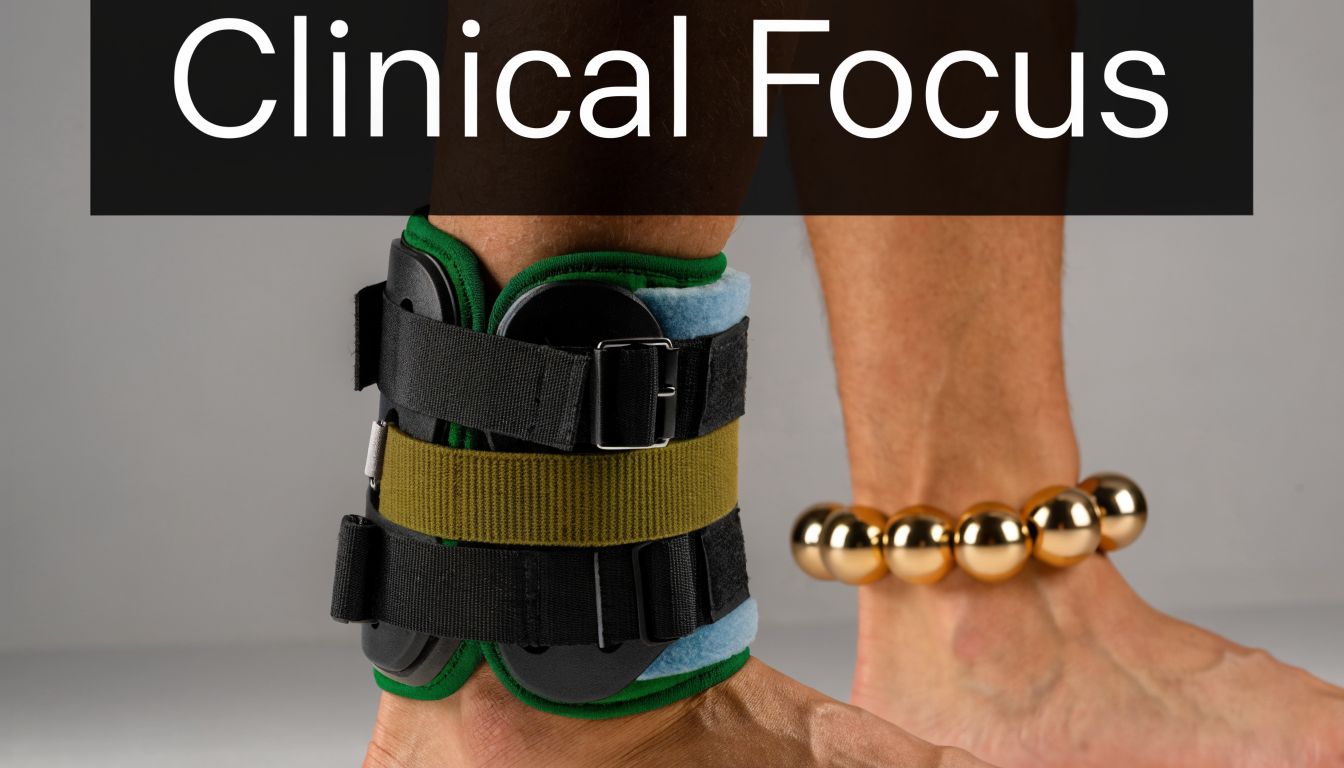
What makes a clinical cuff different
Think of ankle and wrist cuffs as a therapist’s way to guide force to one very specific place. Sometimes that means adding resistance. Sometimes it means stabilizing a joint. Sometimes it means creating a secure connection point for a cable system so a small movement can be trained without awkward gripping or compensating.
That’s especially helpful when the hand or arm itself can’t tolerate much pressure. For readers dealing with swelling issues in the arm, this primer on physical therapy for lymphedema gives useful context on why placement and comfort matter so much.
In the clinic, one cuff might be used for:
- Targeted resistance during leg lifts, hip work, or wrist motion
- Joint stabilization when a healing area needs support during movement
- Controlled attachment to a cable or pulley for isolated strengthening
A wrist cuff used for support after a hand condition is very different from a weighted ankle cuff used for lower-body exercise. If you’re dealing with nerve-related wrist symptoms, care usually needs to be customized with greater attention, as with carpal tunnel rehabilitation options.
Why small changes feel bigger than expected
Cuffs sit far from the center of the body. That means even a modest load can change how hard a muscle has to work. This is basic biomechanics. Weight at the ankle has a longer lever arm than weight held close to the hip.
That’s why a 5 lb cuff used in therapy can increase torque at the ankle joint by 20 to 30%, and guided use has been associated with 15 to 25% gains in dorsiflexion strength after 4 to 6 weeks according to this therapy equipment reference.
That sounds technical, but the everyday version is simple. Put a small weight near your shoe, and the muscles that lift and control your foot have to pay much more attention.
Clinical perspective: The best cuff is the one that lets you feel the correct muscle working without making the joint angry afterward.
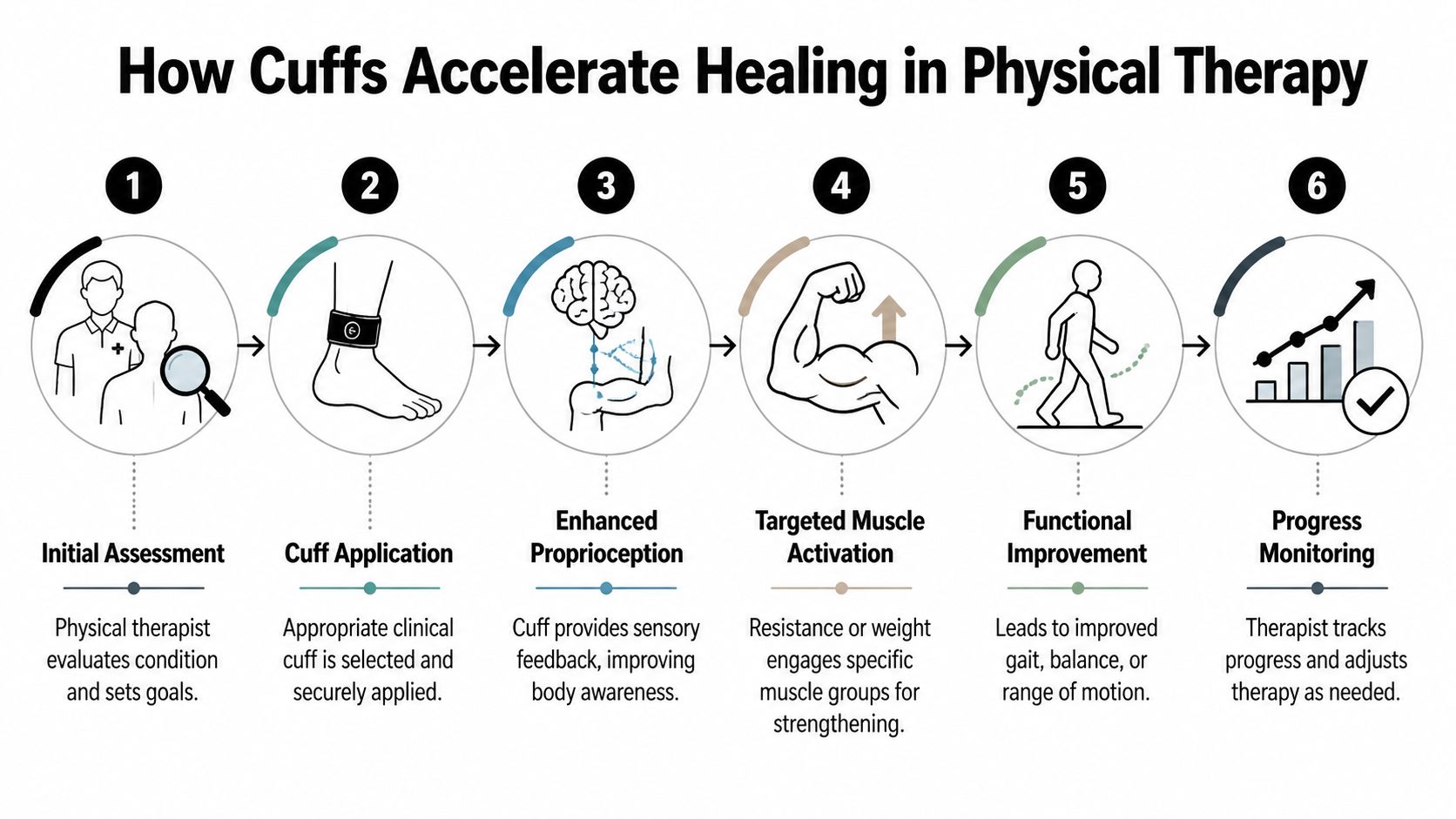
How Cuffs Accelerate Healing in Physical Therapy
The reason therapists use ankle and wrist cuffs isn’t just to “add resistance.” They help improve movement quality. That’s often the missing link in recovery.
Better walking and better balance
When someone has been limping, shuffling, or catching their toe, the problem usually isn’t just weakness. It’s also awareness. The body loses track of where the foot is in space and how to control it smoothly.
A light ankle cuff can give the nervous system better feedback during drills like marching, side stepping, or cable-based ankle work. For older adults at risk of falls, that matters a lot. Targeted exercises using ankle cuffs with a cable pulley have shown an 18 to 22% gain in proprioception and a 30% improvement on the Berg Balance Scale, while addressing peroneal muscle weakness found in 60% of this population, based on this cuff training reference.
If you’re recovering from a sprain or strain and need a basic starting point before rehab gets more advanced, this guide to first aid for minor injuries can help you understand the early phase.
More precise strengthening
A dumbbell is useful, but it doesn’t solve everything. Some muscles are hard to isolate with hand weights alone. That’s where cuffs shine.
An ankle cuff attached to a cable can target:
- Hip stabilizers during standing leg movements
- Ankle evertors and invertors during controlled side-to-side foot work
- Foot-lifting muscles during dorsiflexion training
A wrist cuff or forearm setup can also help when gripping a handle is uncomfortable, which is common after surgery, tendon irritation, or nerve-related hand pain.
People often do better when the exercise matches the problem. Someone with a weak hip after knee pain doesn’t need random leg work. They need a setup that gets the right muscles involved without letting stronger muscles take over.
Support after surgery or injury
After surgery, the goal isn’t to lock everything down forever. The goal is to protect healing tissue while reintroducing safe motion. Cuffs can help by limiting sloppy movement and creating a more controlled path for exercise.
For example, after an ankle injury, a cuff can help with guided leg raises or cable work without demanding full-body balance too early. For more condition-specific guidance, patients often benefit from looking at ankle injury recovery resources.
Gentle traction and hands-on use
Some cuff systems let a therapist apply controlled pull to a limb during treatment. That can help reduce guarding and make certain movements easier to tolerate. Patients usually don’t think of a cuff as a traction tool, but in skilled hands, it can help create space and comfort rather than just resistance.
The cuff itself isn’t the treatment. The assessment, the exercise choice, and the progression are what make it therapeutic.
A Practical Guide to Safe Fitting and Skin Care
You finish a short set of leg raises, take the cuff off, and notice a red band around your ankle. That moment matters. A small mark can be harmless pressure that fades in minutes, or it can be the first sign that the cuff is rubbing, trapping moisture, or sitting in the wrong spot.
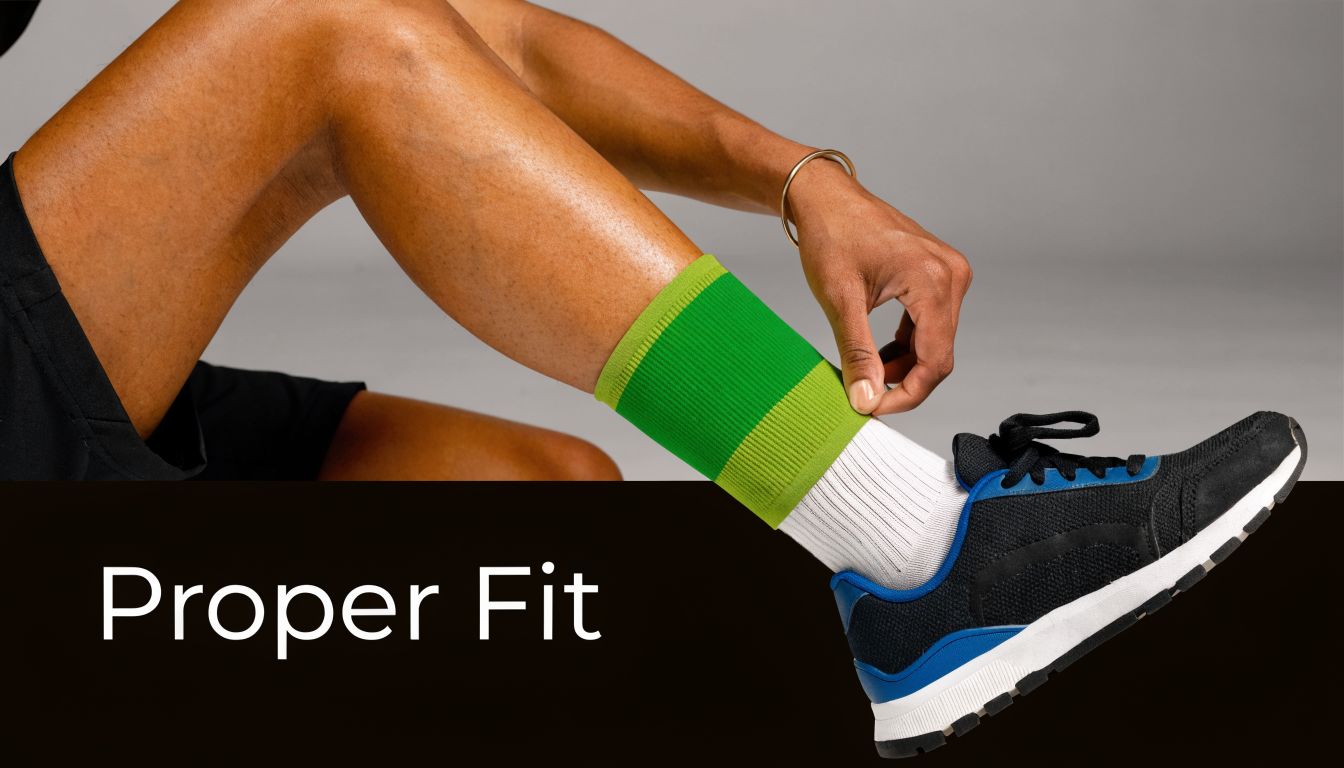
Good cuff use is a lot like wearing a well-fitted shoe. If the fit is right, you barely think about it and can focus on the task. If the fit is off, the skin usually complains before the joint or muscle does.
Start with fit, not force
The cuff should stay in place without squeezing hard. A secure fit spreads pressure across a wider area. An overly tight fit concentrates pressure in one strip, which is where pinching and skin breakdown often begin.
The two-finger rule is a simple home check. You should usually be able to slide two fingers under the strap. That is not a substitute for a therapist’s fitting, but it helps catch the common mistake of pulling the strap tighter than needed.
Check these basics before you start:
- The strap lies flat without twisting or folding
- Padding covers bony areas instead of leaving an edge pressing into them
- The cuff does not bunch at the ankle crease or wrist crease when you move
- The cuff stays put during the exercise instead of rotating or sliding
A cuff that slips is not just annoying. Repeated movement over the same patch of skin works like a shoe rubbing the back of your heel.
Protect your skin every day
Skin care is part of rehab, not an extra chore. That matters even more for older adults, people with fragile skin, anyone with reduced sensation, and anyone using cuffs as part of a longer-term plan for strength or mobility.
Poor fit and moisture buildup can irritate the skin quickly. In the clinic, we often see the same pattern. The exercise itself is fine, but the skin gets stressed because the cuff stayed on too long, sat over a sensitive area, or trapped sweat against the skin.
Check the skin after each session and look for:
- Red marks that do not fade
- Blisters, rubbing, or shiny irritated skin
- Moisture under the strap
- Burning, tingling, or numbness
- Tenderness over bony spots
Home rule: If the skin looks worse each day you use the cuff, stop using it until the fit and placement are checked.
This is one reason cuff training works best inside a modern therapy plan rather than as a random add-on. At MedAmerica Rehab, we look at the whole picture. Exercise dose, skin tolerance, circulation, sensation, swelling, and your home routine all affect whether a cuff helps or creates a new problem.
Keep the cuff clean and dry
Moisture is often the hidden problem. Sweat, lotion, and heat soften the outer layer of skin, and softer skin gets damaged more easily by friction.
Clean the cuff as the manufacturer recommends. Let it dry fully. Put it on clean, dry skin. If you tend to sweat, shorter sessions with a skin check in between are usually safer than one long session.
Here’s a quick visual guide that may help with lower-leg fitting basics before or after therapy:
Do's and Don'ts for Wearing Your Cuff
| Do | Don't |
|---|---|
| Check your skin daily for redness, rubbing, or moisture | Ignore small irritation and hope it goes away |
| Use the two-finger rule to avoid over-tightening | Pull the strap extra tight for a “more secure” feel |
| Keep skin clean and dry before application | Wear it over sweaty or damp skin |
| Reposition it if it shifts during exercise | Keep exercising through friction |
| Ask for refitting if numbness or pinching shows up | Assume discomfort is normal |
When to Avoid Ankle and Wrist Cuffs
You finish a set and notice something feels off. Your knee is more irritated than the ankle you were trying to strengthen, or your shoulder is doing half the work during a wrist exercise. That usually means the cuff is no longer acting like a helpful training tool. It is acting like a poor match for your body, your healing stage, or the exercise itself.
A cuff should improve the target movement, not pull the stress into the wrong place. With ankle cuffs in particular, extra load can change walking and lifting mechanics if the muscles are not ready for it yet. The American Council on Exercise overview of ankle weights notes that wearable weights can increase joint stress and alter natural movement patterns, which is one reason we use them selectively in rehab instead of casually during daily activity.
When caution matters most
Even a well-designed cuff may be the wrong choice if you have:
- Acute swelling or active inflammation around the joint
- Open skin areas or healing incisions near cuff placement
- Significant circulation problems
- Peripheral neuropathy or reduced sensation
- An unhealed fracture
- Severe joint instability without direct supervision
Those situations do not always mean “never.” They do mean “do not guess.”
Here is the practical way to think about it. A cuff adds load and pressure at the same time. If the joint is irritated, the skin is fragile, or sensation is reduced, that added demand can outpace what the area can safely tolerate. In long-term rehab, skin integrity matters just as much as muscle strength. A stronger leg is not a win if the strap leaves a pressure injury or if swelling rises after every session.
Signs the cuff is creating the wrong problem
Sometimes the warning signs are subtle:
- Your hip hikes during leg lifts
- Your neck tightens during wrist work
- Your knee starts aching during an ankle exercise
- You swing the limb instead of controlling it
- Symptoms are worse later that day, not better
Those are compensation patterns. They are the body’s shortcut system. Shortcuts can be useful when you are stepping over a puddle. In rehab, they often mean the exercise load, position, or tool needs to change.
Pain is not a gold star. If a cuff leaves the joint more irritated, makes your form sloppy, or causes rubbing that lasts after exercise, stop and reassess.
Walking with ankle weights is another common example. Some people try it to make daily walks “count more,” but more effort does not always mean better training. For patients with joint pain, balance deficits, or gait changes, a lower-impact option such as pool-based physical therapy is often a smarter way to build strength and endurance without piling extra stress onto the joints.
At MedAmerica Rehab, we often swap the cuff out before we abandon the goal. A band, a supported position, water-based exercise, or simple bodyweight control work may train the same muscle more safely. The right question is not, “Can I wear a cuff?” The better question is, “Does this tool help my body move better today?”
Effective Home Exercises and Smart Alternatives
Home exercise works best when it’s boring in the right way. Simple. Repeatable. Easy to do with good form. That’s where ankle and wrist cuffs can help, but only if the exercise matches your stage of recovery.
Good home options with cuffs
A few common examples include:
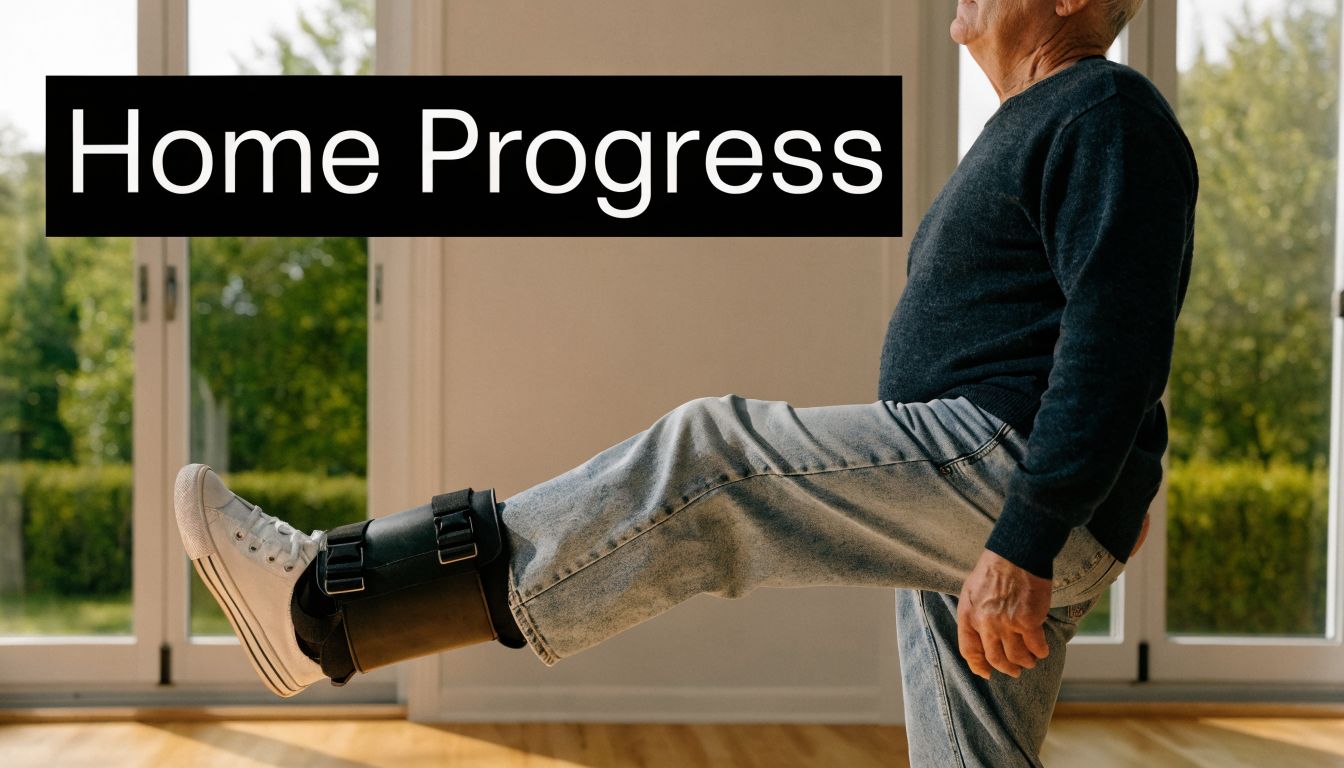
- Standing leg raises for hip control. Hold onto a counter and move slowly. If your trunk leans, the resistance is probably too much.
- Seated ankle lifts to train foot clearance. This is often useful when the front of the shin is weak.
- Clamshells or side-lying leg work if your therapist has prescribed a cuff and you can keep the pelvis steady.
- Gentle wrist motion work with a light setup, especially when a handle is awkward to grip.
The best rep count is the one your therapist gave you. At home, your main job is clean motion.
When bands or bodyweight are better
Cuffs aren’t always the smartest option. Resistance bands are often better when you need a smoother change in tension or less pressure on the skin. Bodyweight work is often better when the problem is control, balance, or endurance rather than raw strength.
For some patients, unloading the joints first is the bigger win. That’s one reason water-based rehab can be so useful. If land exercises feel harsh, physical therapy in a pool may be a better bridge back to strength.
A helpful way to decide is this:
- If the cuff helps you feel the target muscle without irritating the joint, it may be useful.
- If the cuff makes you compensate, rubs the skin, or increases pain later, choose another tool.
Get Hands-On Guidance at MedAmerica Rehab in Deerfield Beach
You finish a home exercise session and wonder, "Is this cuff helping, or is it just annoying my skin?" That question is exactly why in-person guidance matters. Two people with the same diagnosis can need very different cuff setups based on swelling, skin sensitivity, balance, pain, and how they move.
At MedAmerica Rehab, cuffs are not treated like a one-size-fits-all add-on. They are one tool in a broader plan that may also include manual therapy, exercise progressions, gait training, balance work, and other treatments chosen for the stage of healing. Research on multimodal rehabilitation, including reports from the Journal of Orthopaedic & Sports Physical Therapy, supports pairing the right exercise dose with the right support tools instead of relying on any single treatment by itself.
Why individualized planning matters
A cuff can be helpful early on, then become less useful later. That is normal. Recovery works more like adjusting the settings on a bike than flipping one switch. The fit, load, and timing all need to match your current strength, joint irritability, and skin tolerance.
A therapist should check more than the diagnosis. At MedAmerica Rehab, that means looking at how you walk, where you compensate, whether the cuff shifts during motion, and whether your skin stays calm after use. Those details matter for long-term progress, especially for people dealing with arthritis, post-op stiffness, tendon pain, balance problems, or recurring flare-ups.
Good guidance also saves wear and tear. If a cuff is helping the target muscle but leaving pressure marks that last too long, the plan needs adjustment. If it improves control during one exercise but throws off your walking pattern, it may be the right tool for one job and the wrong tool for another.
If you live in Deerfield Beach and want hands-on help with wrist pain, ankle weakness, or a safer return to activity, an individualized rehab plan can make the process clearer and more efficient. The best plan usually feels simple. It fits your body today, protects your skin, and changes as your strength and confidence improve.
Frequently Asked Questions About Cuffs
Can I wear ankle weights while walking for weight loss
Usually, that’s not the first choice I’d recommend without guidance. Some people assume it’s an easy upgrade to walking, but cuffs can change your mechanics and increase joint strain. If your goal is health or weight management, safer options often include brisk walking, hills, cycling, pool exercise, or a structured strengthening plan.
How should I clean my cuffs
Follow the manufacturer’s instructions first. In general, keep them dry between uses, clean off sweat buildup, and don’t put them back on damp skin. If the cuff has removable padding, make sure both the outer material and the skin-contact surface are fully dry before wearing it again.
Are ankle cuffs and wrist cuffs interchangeable
Not always. Some products are built to fit both areas, but that doesn’t mean they perform equally well in both roles. Ankles and wrists have different shapes, pressure points, and movement demands. A cuff that slides or pinches in one location may work fine in another. In rehab, fit is part of the treatment.
Should I wear my cuff longer to get better results
No. Longer wear isn’t automatically better. The right duration depends on your skin tolerance, circulation, diagnosis, and the exercise being done. More time in the cuff can sometimes create more irritation without adding any benefit.
What if the cuff feels uncomfortable right away
Stop and check the basics. Look at strap tension, position, padding, and skin response. If it still feels wrong, don’t push through it. A cuff should feel purposeful, not punishing.
If you want a personalized plan for ankle and wrist cuffs, balance work, post-surgical rehab, or integrated treatment options like shockwave therapy, MedAmerica Rehab Center can help you figure out what fits, what doesn’t, and what will move your recovery forward safely.
MedAmerica Rehab · Deerfield Beach
Talk to a clinician about your pain
Physical therapy, chiropractic, acupuncture and shockwave therapy under one roof, since 1995. Same-day appointments are available.
Mon–Thu 8:00 AM – 6:30 PM · Fri 8:00 AM – 3:00 PM