

Physical Therapy for Chronic Muscle Tightness and Stiffness
Muscle tightness is often dismissed as something minor. A long day at work, a poor night of sleep, hours behind a desk, or a tough workout can all leave muscles feeling stiff. But when that tightness lingers for weeks or months, it stops being temporary discomfort and starts becoming a limitation. Chronic stiffness can affect posture, restrict movement, and gradually lead to more serious joint or nerve problems. That is where physical therapy becomes more than helpful. It becomes essential.
At MedAmerica Rehab in Deerfield Beach, physical therapy is designed to address the deeper causes of chronic muscle tightness rather than simply masking the discomfort. By understanding how the body compensates, adapts, and protects itself after stress or injury, therapists can create a structured plan that restores mobility and reduces long-term strain.
Why Chronic Muscle Tightness Develops
Muscle tightness does not usually appear without reason. It is often the body’s response to imbalance. When one muscle group becomes weak, another group compensates. Over time, that compensation leads to overuse, restricted flexibility, and inflammation.
Long periods of sitting are one of the most common contributors. In communities like Deerfield Beach and Boca Raton, many adults work at desks or spend extended hours driving. This posture shortens hip flexors, weakens core muscles, and creates strain through the lower back and shoulders. Without intervention, the pattern continues and stiffness becomes constant.
Stress also plays a significant role. When the body remains in a state of tension, muscles stay partially contracted, especially in the neck, shoulders, and upper back. Over time, circulation decreases and mobility declines. Physical therapy addresses these patterns through hands on treatment and corrective movement training.
You can learn more about the clinic’s philosophy and treatment approach by visiting our about page.
How Physical Therapy Restores Flexibility and Function

The first step in physical therapy is a detailed evaluation. The therapist observes posture, joint mobility, muscle activation patterns, and how the body moves during daily tasks. This assessment identifies not just where tightness exists but why it developed.
Treatment often includes manual therapy techniques that gently release restricted soft tissue. This is combined with targeted stretching that improves range of motion without forcing the body into painful positions. Strengthening exercises are then introduced to correct the underlying imbalance so the tightness does not return.
According to the American Physical Therapy Association at https://www.apta.org/patient-care/interventions/manual-therapy, manual therapy and therapeutic exercise are evidence-based approaches shown to improve flexibility and reduce musculoskeletal discomfort. These techniques are applied progressively at MedAmerica Rehab to ensure long-term results.
The Link Between Muscle Stiffness and Joint Health
Chronic stiffness affects more than muscles. When tight muscles pull unevenly on joints, alignment changes. Knees may track improperly, shoulders may lose smooth rotation, and the spine may shift out of neutral posture. Over time, this increases joint wear and reduces stability.
Physical therapy focuses on restoring balanced movement. When muscles function properly, joints move more efficiently and with less strain. Patients often report not only reduced tightness but also improved energy and endurance throughout the day.
To explore treatment options that support joint health and mobility, visit our services page.
Physical Therapy for Neck and Shoulder Tightness
Neck and shoulder stiffness is especially common among adults who spend time on computers or mobile devices. The forward head position places constant strain on cervical muscles and upper back structures. Over time, this leads to headaches, restricted rotation, and discomfort during sleep.
Physical therapy addresses this issue by retraining posture and strengthening deep stabilizing muscles. Gentle mobility work restores flexibility, while corrective exercises improve long-term alignment. Research from the Mayo Clinic supports the importance of movement correction and strengthening for persistent neck tension.
Lower Back and Hip Tightness
Lower back stiffness is often tied to hip mobility and core weakness. Tight hip flexors, shortened hamstrings, and reduced glute strength create a cycle of strain across the lumbar spine. Patients frequently describe morning stiffness or discomfort after prolonged sitting.
Through guided physical therapy, these patterns are reversed. Controlled strengthening of the core and glute muscles stabilizes the pelvis. Stretching restores hip mobility. Movement training teaches patients how to sit, stand, and lift with better mechanics.
If you are experiencing ongoing stiffness that limits daily comfort, scheduling an evaluation through our contact page is the first step toward lasting improvement.
Why Stretching Alone Is Not Enough
Many people attempt to solve stiffness by stretching at home. While stretching can help temporarily, it does not address muscle weakness, faulty movement patterns, or joint instability. Without strengthening and proper guidance, tightness often returns within hours or days.
Physical therapy provides structure. It identifies the precise muscles that require strengthening and the ones that require mobility work. This balanced approach prevents the body from falling back into harmful compensation patterns.
Long-Term Prevention and Performance
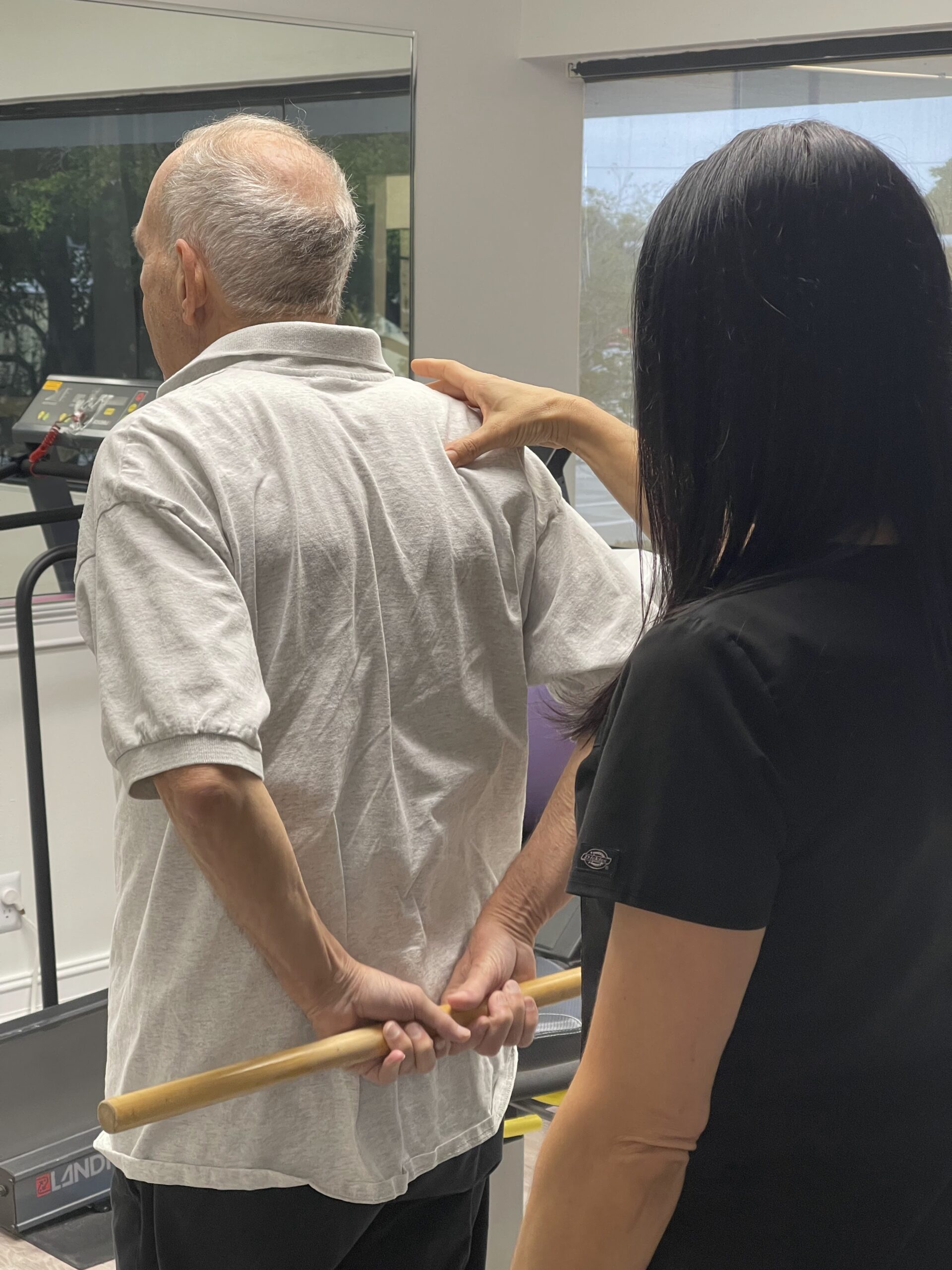
One of the most valuable benefits of physical therapy is prevention. Once stiffness is reduced and movement patterns improve, patients are taught strategies to maintain flexibility and strength independently. These strategies may include posture correction techniques, warm up routines before exercise, and ergonomic adjustments at work.
Chronic muscle tightness does not need to define daily life. With expert guidance, the body can regain elasticity, strength, and coordination.
MedAmerica Rehab is also proudly featured on South Florida’s Best, reflecting its reputation for effective and patient-focused care in Deerfield Beach and surrounding communities.
Moving Forward Without Restriction
Chronic muscle tightness and stiffness can quietly limit quality of life. It may start as minor discomfort, but over time, it affects posture, sleep, and physical performance. Physical therapy provides a clear, structured solution that targets the cause rather than the symptom.
With professional evaluation, hands-on treatment, and corrective exercise, patients regain mobility and confidence in movement. Whether stiffness stems from long hours at a desk, stress, past injury, or aging, physical therapy offers a practical and sustainable path toward relief.
If tightness has become part of your routine, it may be time to make movement easier again. The right plan can restore flexibility, protect joints, and help you move freely without hesitation. Schedule your appointment today and begin a focused plan that helps you move with greater ease and long-term confidence.