
Using Physical Therapy Heat Packs Safely & Effectively
If you're reading this with a heating pad draped over your lower back, or you're debating whether warmth will loosen up that stiff knee enough to get through the morning, you're in familiar territory. Heat feels intuitive. Many individuals reach for it when their body feels tight, achy, guarded, or slow to move.
That instinct is right. In physical therapy, heat isn't just comfort. It's a treatment tool. Used well, it can help reduce muscle spasm, ease stiffness, and make movement feel more possible. Used carelessly, it can irritate the problem or even burn your skin.
At home, that difference comes down to judgment. Is this the kind of pain that responds to heat? Is the pack too hot? Are you leaving it on too long? Are you putting your full body weight on it without realizing it? Those are the questions that matter.
Your Guide to Soothing Aches with Therapeutic Heat
You wake up stiff, shuffle to the kitchen, and notice your low back loosens a little after a warm shower. Later, your shoulders tighten again after an hour at the computer. That is the kind of problem heat often helps. It is not a fix for every kind of pain, but it can make the body easier to move when stiffness is the main barrier.
That is why physical therapy heat packs stay in regular use at home and in the clinic. People return to them for a simple reason. Warmth can calm muscle guarding, ease joint stiffness, and make the first few minutes of movement less uncomfortable.
In practice, I tell patients to treat heat as preparation.
A heat pack usually works best before something active. Use it before your walking program, before gentle stretching, or before the home exercises we prescribed at MedAmerica Rehab. If a warm pack helps your neck turn farther, your back relax enough to stand upright, or your knee bend with less resistance, it is doing its job.
Practical rule: Use heat to make movement easier, then follow it with movement.
That approach also keeps expectations realistic. Heat can reduce stiffness and help you get started, but it does not correct the reason pain developed in the first place. If you want a simple comparison for injuries that are fresh and swollen, our guide on when to use ice and when to use heat for an ankle sprain can help you choose more safely.
Some patients also ask how warming systems differ from one product to another. If you're curious about the mechanics behind heated seating systems, What Is Heatwave™ Technology gives useful background.
Safety matters just as much as symptom relief.
The home mistakes I see are predictable. People place a pack directly on bare skin. They lie on top of it, which traps heat and increases burn risk. They leave it on too long because it still feels good. They use heat on an area that is already irritated, swollen, or numb. None of those choices are rare, and each one can turn a helpful tool into a setback.
A safer framework is straightforward:
- Match the tool to the symptom. Heat fits stiffness, tightness, and guarded movement better than fresh inflammation.
- Use a barrier. Keep a layer of towel or cloth between the pack and your skin.
- Limit the dose. Warm is enough. More heat is not better heat.
- Check your skin. Stop if the area looks very red, feels overly hot, or starts to sting.
- Stay awake and alert. Never sleep with a heating pad or stay on it because you got distracted.
Used with that kind of judgment, heat packs are a practical part of home care. Used casually, they can cause burns that are far harder to deal with than the stiffness you started with.
When to Choose Heat and What Your Pain Is Telling You
You wake up with a back that feels locked up, or a shoulder that loosens after a hot shower. That pattern matters. The way pain behaves often tells you whether heat is likely to help or make things worse.
If an area feels stiff, tight, achy, or guarded, heat is often a reasonable choice. If it feels newly injured, swollen, hot, or irritated, start with caution and do not assume warmth is the answer.
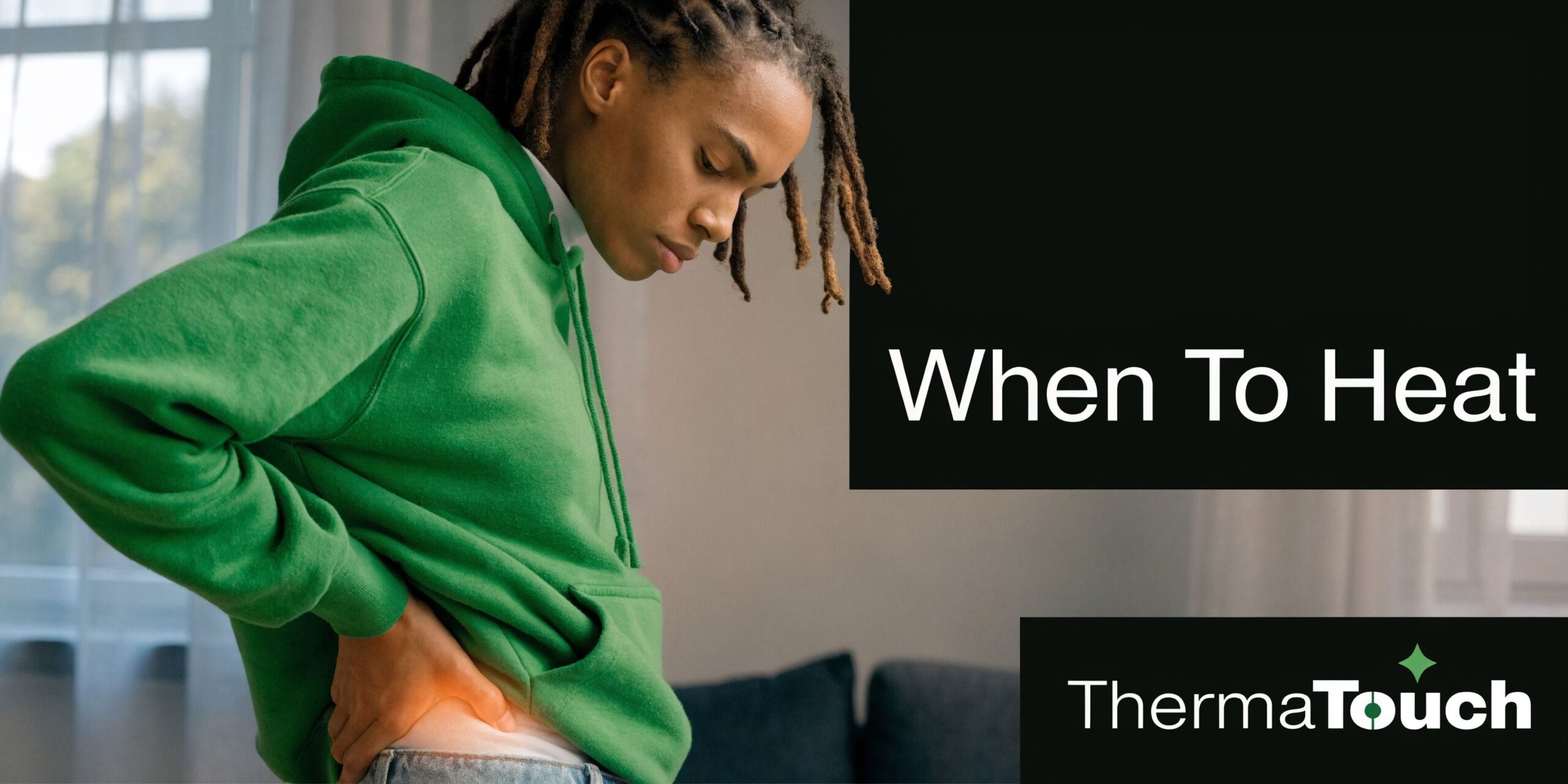
Pain patterns that usually respond well to heat
In practice, heat tends to help most when the main problem is limited movement, muscle guarding, or that dull ache that improves once you get going. It can make stretching, walking, and home exercise feel more manageable, especially early in the day or after long periods of sitting.
Common examples include:
- Morning joint stiffness from arthritis that eases with movement
- Muscle tension in the neck, shoulders, or low back
- Lingering soreness after overuse, once the early irritated phase has passed
- Pre-exercise stiffness before a walk, stretch session, or rehab routine
Heat works on the surface tissues, which is often enough to help muscles relax and reduce that sense of resistance when you start moving. That does not mean it treats the root cause by itself. It means it can create a better window for movement, which is often the part that matters most at home.
When heat is the wrong call
A heat pack should not be your default for every kind of pain. One of the biggest home mistakes I see is using heat because it feels soothing, even when the body is clearly signaling irritation.
Avoid heat when:
- The injury is new, especially if it happened today or recently
- The area is visibly swollen
- The skin is irritated, broken, or infected
- You notice throbbing or unusual warmth in the area
- The area feels numb or you have reduced sensation, which raises burn risk
A simple example is a freshly twisted ankle. If it is puffy and warm, adding heat can stir it up further. If you need help sorting that out, this MedAmerica guide on when to use ice and when to use heat for an ankle sprain gives a clear way to decide.
Heat usually fits stiffness and guarded movement. It does not fit fresh swelling.
A simple home check before you use heat
Ask these three questions:
| Question | If yes | If no |
|---|---|---|
| Does it feel stiff more than swollen? | Heat may be appropriate | Use caution |
| Does gentle movement usually improve it? | Heat may help you get started | Get advice first |
| Is this past the early injury stage? | Heat is more reasonable | Choose a different approach |
This quick check is not a diagnosis. It is a safety filter. If the pain pattern is unclear, or if heat has made the area throb, redden, or feel worse before, stop and get guidance before trying again.
A Practical Guide to Applying Heat Packs Like a Pro
You get home with a tight back, pull out a heat pack, and want relief fast. That is usually when people make the mistakes that lead to skin irritation or burns. A good home routine is simple, repeatable, and a little conservative on purpose.

Pick the right kind of heat for home use
Different heat packs solve different problems, and each comes with trade-offs.
- Electric heating pads are easy to use for broad areas like the low back. They are convenient, but that convenience can make people leave them on too long.
- Microwavable packs feel comfortable and flexible around joints. They can heat unevenly, so one spot may be much hotter than another.
- Gel packs made for hot or cold use are useful if you want one product for both options. They also overheat quickly if the instructions are rushed.
- Clinic-style moist hot packs hold heat well. In a therapy setting, they are used with careful layering and close monitoring, not straight onto the skin.
The home lesson is straightforward. Stronger heat needs more protection, not more tolerance.
Set up the pack so it warms the tissue without trapping heat
Heat should feel comfortably warm within the first minute or two. It should never feel sharp, biting, or intense enough that you have to endure it.
Start with a towel barrier between the pack and your skin. If the pack feels hotter than expected, add another layer. At MedAmerica Rehab, I often remind patients that the right setup feels mild at first, then steady. That is what you want.
Position matters too. Let the pack rest on the sore area while your body is supported. Do not lie directly on top of it. Compression traps heat and raises the chance of overheating the skin before you realize it.
A home routine that works
Use this sequence each time:
- Check the skin first. Skip heat if the skin looks irritated, fragile, or unusual for you.
- Wrap the pack. Fabric covers help, but they are not the same as a towel barrier.
- Set a timer for about 15 to 20 minutes. Short, controlled sessions work better than long ones.
- Stay awake and pay attention. Home heat should be supervised by you, even if you are just sitting on the couch.
- Look at the skin again afterward. Light pinkness can be normal. Persistent redness means the session was too aggressive.
That timer matters more than people expect.
Match the position to the body part
A shoulder pack should drape around the shoulder without bunching into the side of the neck. For the low back, recline or sit supported so the pack rests against the tight area instead of being pinned under your full weight. For the hamstring, let the leg relax. Heating a muscle while pulling it into a strong stretch usually adds irritation instead of easing it.
Heat also works best when you use the next few minutes well. Gentle walking, easy range-of-motion work, or light self-release can make that warm-up period more useful. Some patients also pair heat with careful soft tissue work using a PE foam roller, as long as the area is not sensitive or stirred up by pressure.
Home rule: If the heat feels intense, it is too hot for home use.
A quick demonstration can help if you're more visual about setup and positioning.
What helps and what usually causes trouble
| Helps | Usually causes trouble |
|---|---|
| Using a towel barrier | Putting the pack directly on skin |
| Setting a timer | Letting time slip while watching TV |
| Resting the pack on the body part | Lying on top of the pack |
| Using heat before gentle movement | Using heat and then staying still for hours |
| Stopping when the skin looks too red | Assuming hotter heat works faster |
The best home use of physical therapy heat packs is brief, targeted, and followed by easy movement. Warm the area, use that window well, and keep the process safe every time.
Critical Safety Rules to Prevent Injury and Burns
Heat packs help a lot of people. They also burn people more often than many patients realize.
Research describes physical therapy heat packs as "the most common cause of contact burn injuries from physical therapeutic modalities," and one clinical analysis found that 37.5% of these burns happened when packs were applied for over 30 minutes, according to this burn injury review in PMC. That isn't a small warning. It's the reason every home user should take heat seriously.
The mistakes that cause trouble
Most heat-related burns don't happen because someone did something dramatic. They happen because someone did something casual.
The common errors are straightforward:
- Falling asleep with the pack on
- Putting the pack directly on skin
- Leaving it on too long
- Lying on top of it
- Using it on an area with poor sensation
- Skipping skin checks because it "felt fine at first"
That last point matters. Burns can build gradually. Early comfort doesn't prove the tissue is safe.
Who needs extra caution
Some people should be much more conservative with home heat. That includes anyone with reduced ability to feel temperature clearly.
Be careful if you have:
- Diabetic neuropathy or other nerve-related numbness
- Recent surgery with altered sensation around the incision or nearby skin
- Older, thinner, or more fragile skin
- Circulation problems
- Cognitive issues that make time limits hard to follow
You should be able to remove the pack the moment it feels too hot. If your sensation is unreliable, home heat becomes much riskier.
Non negotiable rules
These are the rules I would want every patient to follow without exception:
- Never sleep with a heat pack
- Never use it overnight
- Never place full body weight on top of it
- Never use heat on a brand-new injury
- Never use it over broken skin or an open wound
- Never keep going through a burning sensation
A safe heat session should feel warm, soothing, and uneventful. If it feels intense, prickly, or progressively hotter, stop.
Warning signs that mean stop now
Take the pack off right away if you notice any of these:
- Sharp stinging
- Blotchy or deep red skin
- A burning feeling instead of gentle warmth
- Dizziness or feeling unwell
- Skin changes that linger rather than fade
People assume a red patch is normal after heat. Sometimes it is. Sometimes it's the beginning of a problem. If the skin looks angry rather than mildly flushed, don't keep experimenting.
Heat vs Cold Therapy A Clear Guide for Your Recovery
Many individuals do not require an extensive lecture on thermal modalities. They need a clear decision.
Use cold when the body is reacting to a recent injury. Use heat when the body is stiff and needs help moving.
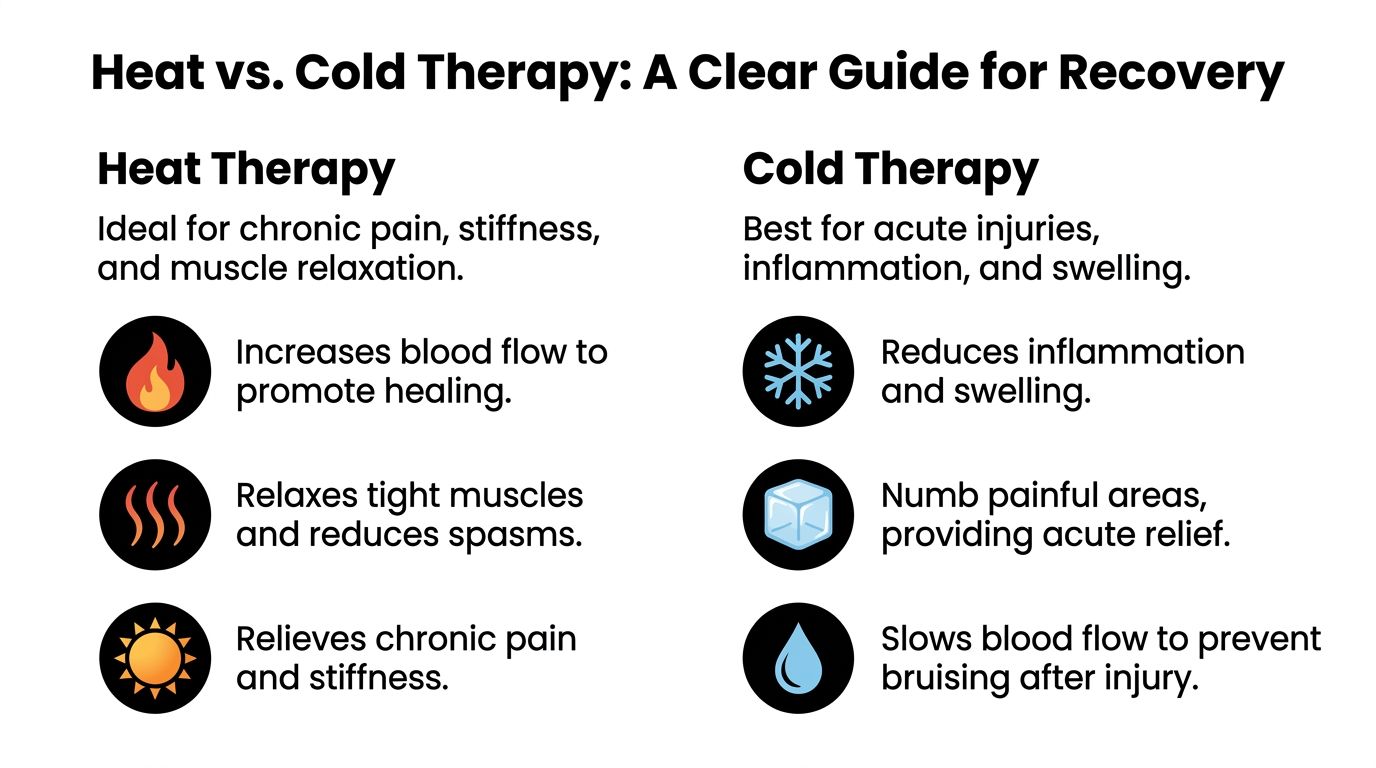
The simplest way to decide
This table covers the everyday distinction:
| Therapy | Best fit | What it aims to do | Typical example |
|---|---|---|---|
| Heat | Ongoing stiffness and tightness | Loosen tissue and make movement easier | Arthritic knee, tight low back, muscle tension |
| Cold | Recent injury and swelling | Calm the area and reduce irritation | Fresh sprain, swollen joint, post-activity flare |
If you're looking for another patient-friendly explanation, Heat Therapy vs Cold Therapy is a useful comparison resource.
Where heat has an edge
For delayed onset muscle soreness after exercise, a network meta-analysis ranked hot packs first for pain relief within 48 hours post-exercise, ahead of cold packs during that early recovery window, according to the DOMS analysis in PMC. That's a good reminder that "ice for everything sore" isn't the best call.
That doesn't mean heat wins every scenario. It means the right choice depends on the kind of pain you're dealing with.
Real world examples
Use this quick sorting method:
- You woke up with a stiff back that usually loosens after walking. Heat is reasonable.
- You rolled your ankle today and it's swelling. Cold is the better first choice.
- Your neck and shoulders feel tight after desk work. Heat helps.
- Your knee is puffy after a twist or impact. Start with cold.
- Your muscles are sore after an intense workout but not swollen. Heat may be a good option.
If you want a more specific look at cold pack use in rehab, MedAmerica has a straightforward page on ice pack physical therapy.
Cold is for calming. Heat is for loosening.
That one sentence won't cover every case, but it's a strong default for home care.
Integrate Heat Therapy into Your MedAmerica Rehab Plan
A heat pack can make you feel better for a while. That's useful, but it's rarely the whole answer.
If your pain keeps returning, the underlying issue often isn't a lack of heat. It may be joint restriction, poor movement mechanics, weakness, postural strain, balance deficits, nerve irritation, or a recovery plan that isn't matched to the problem.
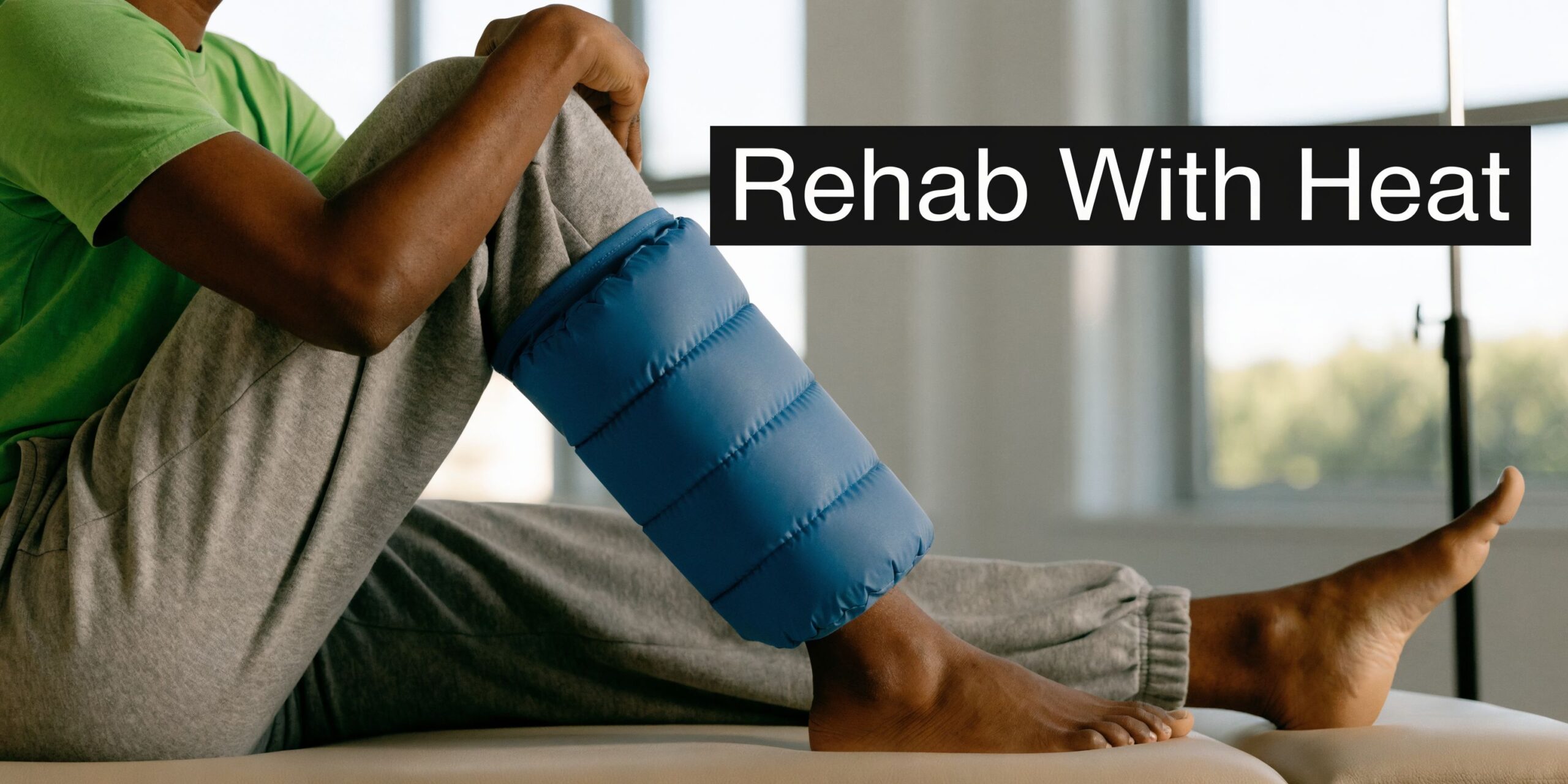
Heat works better inside a full rehab strategy
In practice, heat is most helpful when paired with something active right after it.
That may include:
- Targeted stretching for a stiff lumbar spine or tight hamstrings
- Mobility drills for an arthritic knee or shoulder
- Strength work to support the joints that keep flaring up
- Hands-on treatment when muscles stay guarded
- Balance and gait training when confidence and movement quality have dropped
For some patients, a clinic visit makes the difference because the therapist can decide whether heat is even the right modality that day. MedAmerica Rehab Center includes hot and cold packs as part of physical therapy care alongside exercise-based treatment and other services, depending on the patient's presentation.
When home heat isn't enough
Home heat is a support tool. It isn't enough by itself when:
- Pain keeps interrupting sleep
- Symptoms travel into the arm or leg
- You feel numbness, tingling, or weakness
- A joint keeps swelling
- You had an auto accident or surgery and recovery has stalled
- You're changing how you walk, stand, or work around the pain
Those cases call for a plan, not repeated self-treatment.
A better question to ask
Instead of asking, "Should I use heat again tonight?" ask, "What is this pain pattern telling me?"
That shift matters. It turns heat from a habit into a decision.
If warmth helps you move, great. Use it carefully, use it briefly, and follow it with the exercises or movement your body needs. If heat keeps becoming the only thing that gives temporary relief, it may be time to find out what's driving the problem in the first place.
If back pain, arthritis, post-surgical stiffness, or injury recovery is limiting your day, MedAmerica Rehab Center can help you figure out whether heat, exercise, manual therapy, or a different approach makes the most sense for your situation. A professional evaluation can give you a safer home plan and a clearer path toward lasting relief.